There are no products in your shopping cart.
| 0 Items | £0.00 |

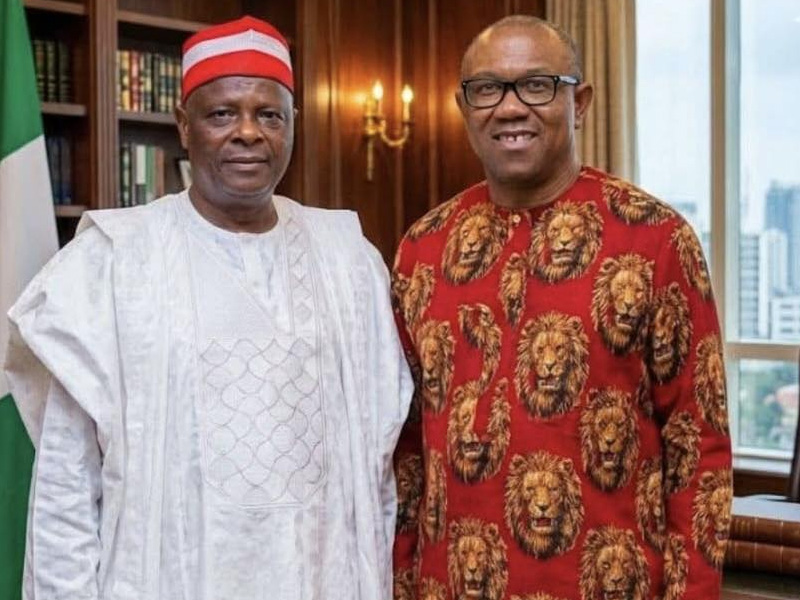
THREE of Nigeria's new opposition parties are considering pooling their resources and presenting a united front against the ruling All Progressives Congress (APC) in next year's general elections.
In early 2027, Nigeria will go to the polls, with elections due to state houses of assemblies, the federal House of Representatives, the Senate, governorships and the presidency. However, with the APC in firm control of the apparatus of government, with 32 out of 36 of Nigeria's state governors belonging to the party, it is looking like it will be an unfair contest.
President Bola Tinubu will be standing for the APC and the only hope of challenging him effectively would be for the opposition pool their resources. Unfortunately, however, the opposition is highly fragmented with the New Nigerian Peoples Party (NNPP), Nigerian Democratic Congress (NDC), Peoples democratic Party (PDP) and the African Democratic Congress (ADC) all in disarray.
In a bid to end this isolation, the leaders of the NDC, ADC and NNPP have begun looking at working together. Last week, NNPP leader Senator Rabiu Kwankwaso and the 2023 Labour party candidate, former Anambra State governor Peter Obi left the ADC joined the NDC, pledging to work together.
Yesterday, Senator Kwankwaso said: “The NDC and ADC may still work together before the election, so you see, there is a lot happening in this country but older people don’t even understand. People are talking of religion and ethnicity, people are talking, especially those our ages but the younger people are looking for the right leadership for this country and I think they are absolutely right."
Within days of Senator Kwankwaso and Governor Obi leaving the crisis-hit ADC, senators, House of Representatives members and several political blocs aligned with the party joined then in the NDC. This gave the new party national visibility, legislative presence and growing momentum, reopening the debate over whether Nigeria’s opposition can finally unite to mount a serious challenge to President Tinubu.
In the 2023 presidential elections, Governor Obi secured about 6.1m votes while Senator Kwankwaso polled roughly 1.5m votes. Combined, both candidates attracted more than 7.6m votes against President Tinubu’s approximately 8.8m votes.
Although both men ran on separate platforms, they built some of the strongest grassroots movements seen in recent political cycles, particularly among young urban voters, first-time voters and northern populist blocs. With several lawmakers joining the NDC, it is believed that the party could evolve from a fringe platform into a serious national force before 2027.
Governor Obi said his decision to leave the ADC was driven by the need to avoid endless internal crises and focus instead on governance issues affecting ordinary Nigerians. He added: “We are coming to be part of the peaceful family that will work hard to build a united, secure, prosperous Nigeria that will work for everybody.
“We have come to the NDC to help build a united Nigeria that works for everyone. The government created crisis after crisis in our party, forcing us to leave. We are pleading with them for the sake of democracy please don’t come here with litigation. We want to have peace, we want to build the party and we don’t want cases.”
It is not yet clear if the NDC will enter into talks with the likes of the Labour Party, the Accord Party and the PDP about fielding a sole candidate against President Tinubu in next year's elections. If they do, it would entail other presidential candidates like former vice president Atiku Abubakar standing down.
