There are no products in your shopping cart.
| 0 Items | £0.00 |

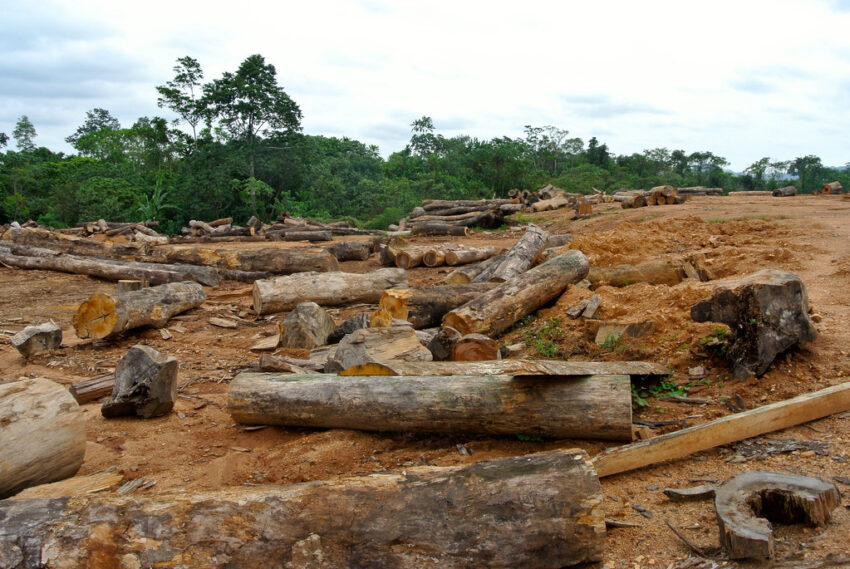
NIGERIA'S federal government has banned the export of wood and all allied products revoking all existing licences and permits to ship them as part of a clampdown on illegal logging and incessant deforestation.
Like many other African countries, Nigeria is suffering from the effects of reckless deforestation as loggers seek to exploit the demand for wood in the international market. Having a large tropical rainforest area, Nigeria is very vulnerable to this illegal logging, alongside countries like DR Congo, Angola, Tanzania, Cameroon and Central African Republic.
Known as the lungs of the earth, tropical rainforests are a major source of wood and internationally, there have been calls for a moratorium to be placed on logging in these forests. Brazil's Amazon is the world's largest rainforest but other nations also affected by the crisis include Indonesia, Australia, Peru, India, Bolivia, Colombia, Venezuela, Mexico, Myanmar, Argentina and Papua New Guinea.
Yesterday, Nigeria's environmental minister Balarabe Lawal, announced the wood export ban during the 18th meeting of the National Council on Environment in Katsina State. He said the directive, outlined in the Presidential Executive Order on the Prohibition of Exportation of Wood and Allied Products, 2025, became necessary to curb illegal logging and deforestation across the country.
Mr Lawal added: “Nigeria’s forests are central to environmental sustainability, providing clean air and water, supporting livelihoods, conserving biodiversity and mitigating the effects of climate change. The continued exportation of wood threatens these benefits and the long-term health of the environment."
Under the new policy, security agencies and relevant ministries are expected to enforce a total clampdown on illegal logging activities nationwide. This order, published in the Extraordinary Federal Republic of Nigeria Official Gazette No. 180, Vol. 112 of 16 October 2025, cites Sections 17(2) and 20 of the 1999 constitution, which empowers the state to protect the environment, forests and wildlife and prevent the exploitation of natural resources for private gain.
Opening the council meeting, Katsina State deputy governor Faruk Jobe highlighted the state’s history of pioneering socio-economic policies that have influenced national policy. He emphasised the importance of collaboration in addressing environmental challenges across the country.
Mr Jobe added: “Environmental sustainability is critical to achieving growth and improving the quality of life of our people. Our administration has prioritised initiatives aimed at combating desertification and promoting afforestation.”
He added that the ban reflects the government’s commitment to safeguarding Nigeria’s shrinking forest cover and addressing climate change, while ensuring sustainable use of natural resources for future generations. Across West Africa, there has been an alarming rise in the rate of forest cover over the last 20 years.
